













Key Takeaways
- Vehicle safe lock types come down to two you can trust in a car: a keyed lock or a mechanical combination lock, both secured by Tuffy’s patented Pry-Guard system.
- Tuffy uses mechanical, battery-free locks on purpose, so nothing loses power or fails in the extreme heat and cold a parked vehicle sees.
- Choose a keyed lock for simple single-user access, or a mechanical combination when families, multiple drivers, or fleets need keyless entry with a resettable code.
- Electronic keypad and biometric locks exist across the wider safe market, but Tuffy does not use them because they depend on batteries inside a hot or cold vehicle.
- No safe stops every break-in; real in-car security comes from concealment and delay, which welded steel and the Pry-Guard system are built to provide.
Your center console is where a phone, wallet, laptop, and sometimes a firearm ride out the day. Most factory consoles have no real lock. When you compare vehicle safe lock types for an in-car safe, the lock matters as much as the steel.
This guide explains vehicle safe lock types, keyed, mechanical combination, and keyless, so you can match the right lock to how you drive. Tuffy has built vehicle-specific security since 1989, and locking is at the core of every box and safe we make.
What Are the Main Vehicle Safe Lock Types?
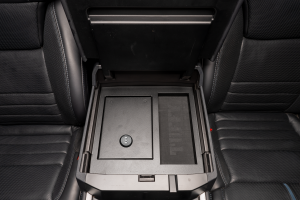
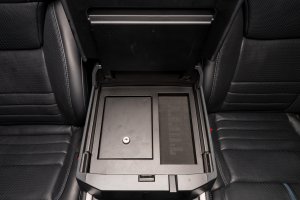
Vehicle safes use two lock types you can rely on inside a car: keyed locks and mechanical combination (keyless) locks. The broader safe market also offers electronic keypad and biometric locks. Tuffy’s vehicle-specific safes use mechanical, battery-free locks, so nothing loses power in extreme heat or cold.
Tuffy secures its boxes and safes with the patented Pry-Guard locking system, offered with either a keyed lock or a mechanical combination. Most Tuffy console safes install inside your factory console using OEM mounting points, in about 30 minutes with basic hand tools. Some vehicles without factory mounting points require drilling, and the factory armrest and lid keep working.
Keyed Locks
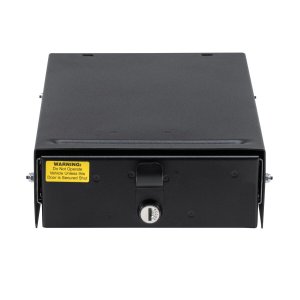
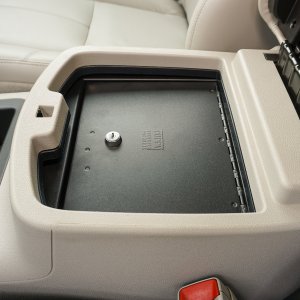
A keyed lock opens with a physical key and stays simple and reliable, with no code to remember. Tuffy uses an exclusive 10-tumbler, double-bitted security key with integrated weather seals and precision hook-cam engagement. It resists picking and holds up to the dust and moisture a vehicle sees.
The trade-off is key management: you need to keep track of the key, and every authorized driver needs one. If a key is lost, Tuffy’s Keys & Replacement Parts line supplies replacement keys and lock cylinders, backed by the Built-for-Life warranty.
A keyed lock suits a single primary driver who wants dependable, no-fuss access. You can browse keyed console safe options and confirm which lock choices exist for your vehicle.
Mechanical Combination (Keyless) Locks
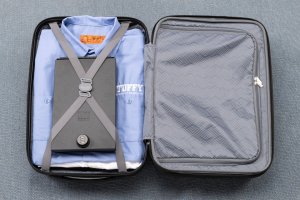
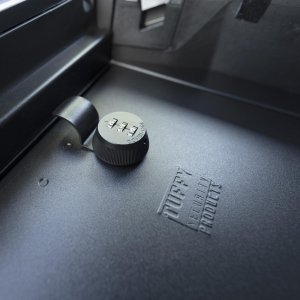
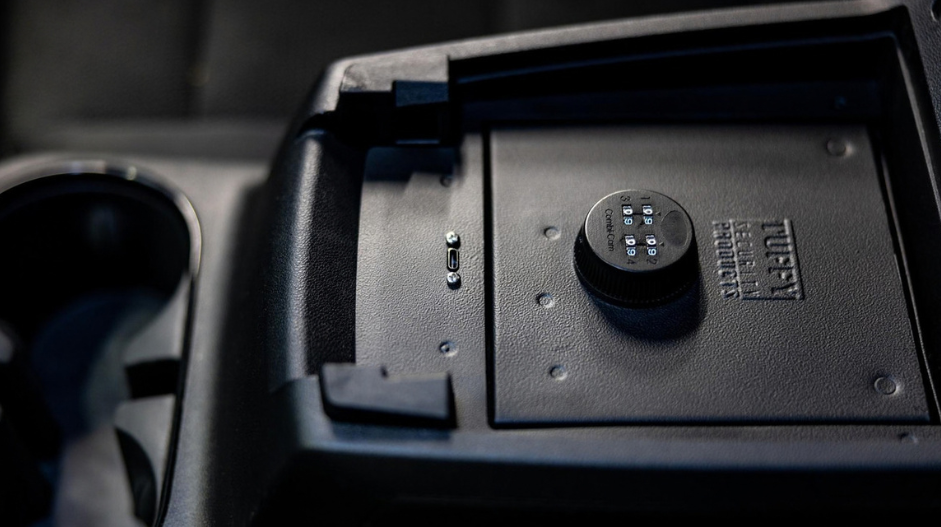
A mechanical combination lock is keyless. You open it with a push-button or dial code instead of a key, so there is nothing to carry or lose. Tuffy offers 3-digit and 4-digit mechanical combinations depending on the product. You can set and reset the code yourself, which suits families, multiple drivers, and fleets.
Because the mechanism is fully mechanical, it is battery-free. There is no power to drain and nothing to fail when a parked vehicle bakes in summer or freezes overnight. Tuffy’s 3-digit combination lock offers 1,000 combinations and unlimited resets.
Electronic Keypad and Biometric Locks (Market Context)
Electronic keypad and biometric (fingerprint) locks appear on many home and gun safes. They open by code or fingerprint and depend on batteries. In a vehicle, that battery dependence is the trade-off, because extreme heat and cold can drain power or slow a reader.
Tuffy does not use electronic or biometric locks for that reason. This is not a knock on the technology in a climate-controlled home. It is a design choice for the conditions a parked vehicle actually faces.
The Pry-Guard Locking System
Pry-Guard is Tuffy’s patented locking system, engineered to resist prying at the point a thief attacks first: the lid seam. Heavy steel components engage so the lid does not lever open. It works with either the keyed or the mechanical combination lock, and it secures Tuffy’s boxes and safes.
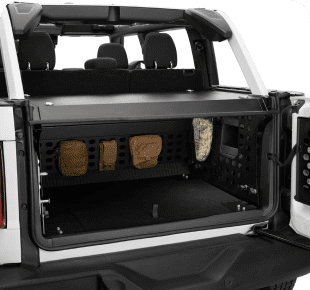
Pry-Guard applies to boxes and safes, not to every product. Cargo enclosures, for example, rely on the vehicle’s factory tailgate lock instead. No safe stops every break-in; real security comes from concealment and delay, and welded cold-rolled steel with Pry-Guard is built to add both. You can read how the Built-for-Life warranty stands behind that construction.
Keyed vs. Combination: Which Lock Type Should You Choose?
There is no single best lock for every driver. The right choice depends on who needs access and how you want to open it. The table below compares the four lock types you will see, and where each one fits.
| Lock Type | How It Opens | Best For | Tuffy Option |
|---|---|---|---|
| Keyed | Physical 10-tumbler, double-bitted security key | A single primary driver who wants simple, reliable access | Yes |
| Mechanical combination | 3-digit or 4-digit code, keyless and resettable | Families, multiple drivers, and fleets sharing one safe | Yes |
| Electronic keypad | Battery-powered code entry | Home and gun safes where power stays stable | Market context, not Tuffy |
| Biometric | Battery-powered fingerprint reader | Home safes that prioritize convenience | Market context, not Tuffy |
For an in-car safe, both Tuffy options give you welded-steel, vehicle-specific security without a battery to worry about. Pick a keyed lock for simple single-user access, or a mechanical combination when several people share the vehicle.
Match the Lock Type to How You Drive
Start with the everyday driver. A family or working professional parks in the open with a phone, wallet, laptop, documents, and sometimes a firearm inside. A keyed console safe gives one primary driver dependable access. A mechanical combination lets a spouse or teen open the same safe without a copied key.
A firearm use case is broad: personal protection, sporting and recreational, and professional. A law-enforcement officer moving a duty weapon between a patrol vehicle and a personal vehicle is a common example. Whatever the reason, store a firearm to your local laws.
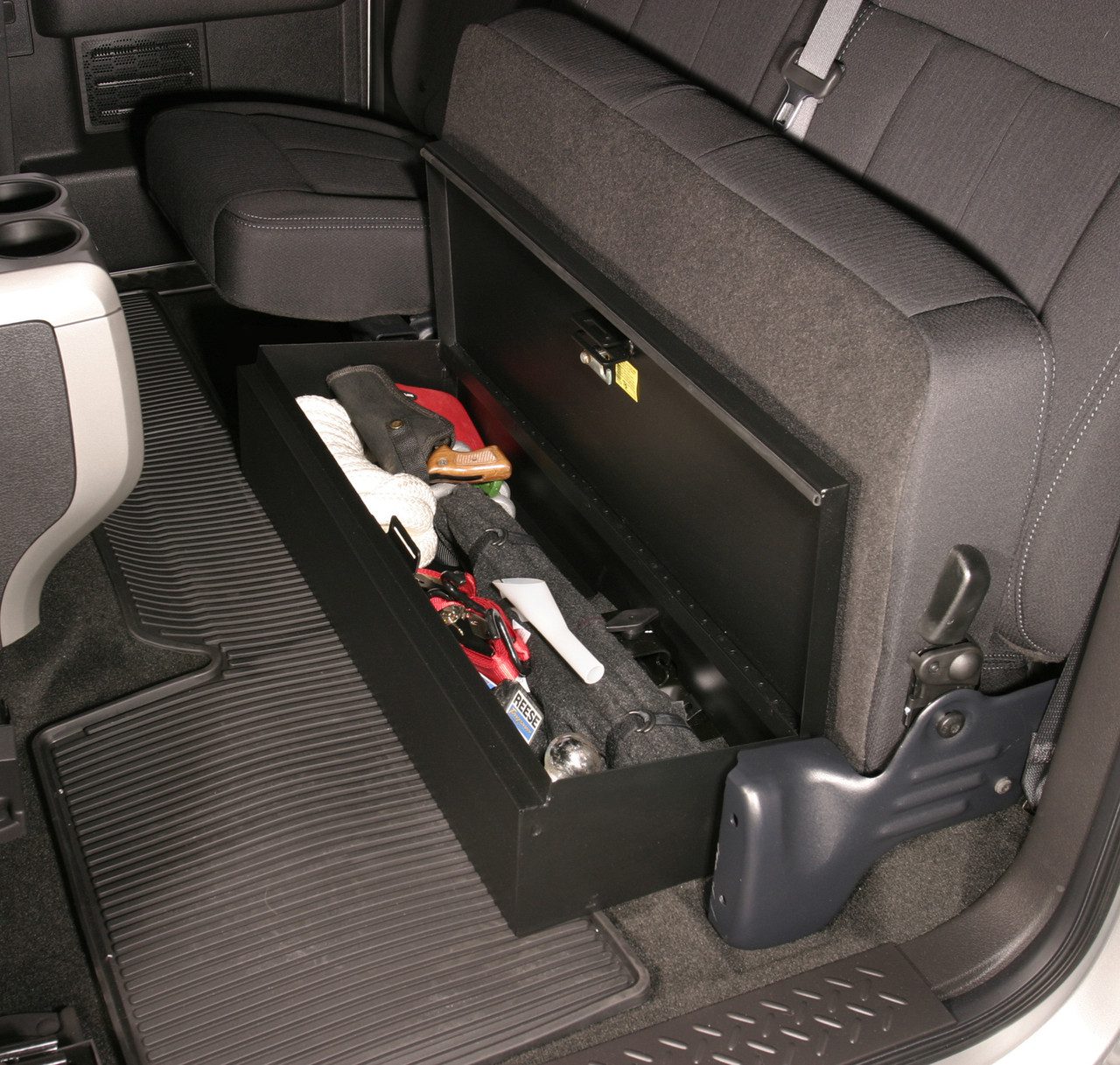
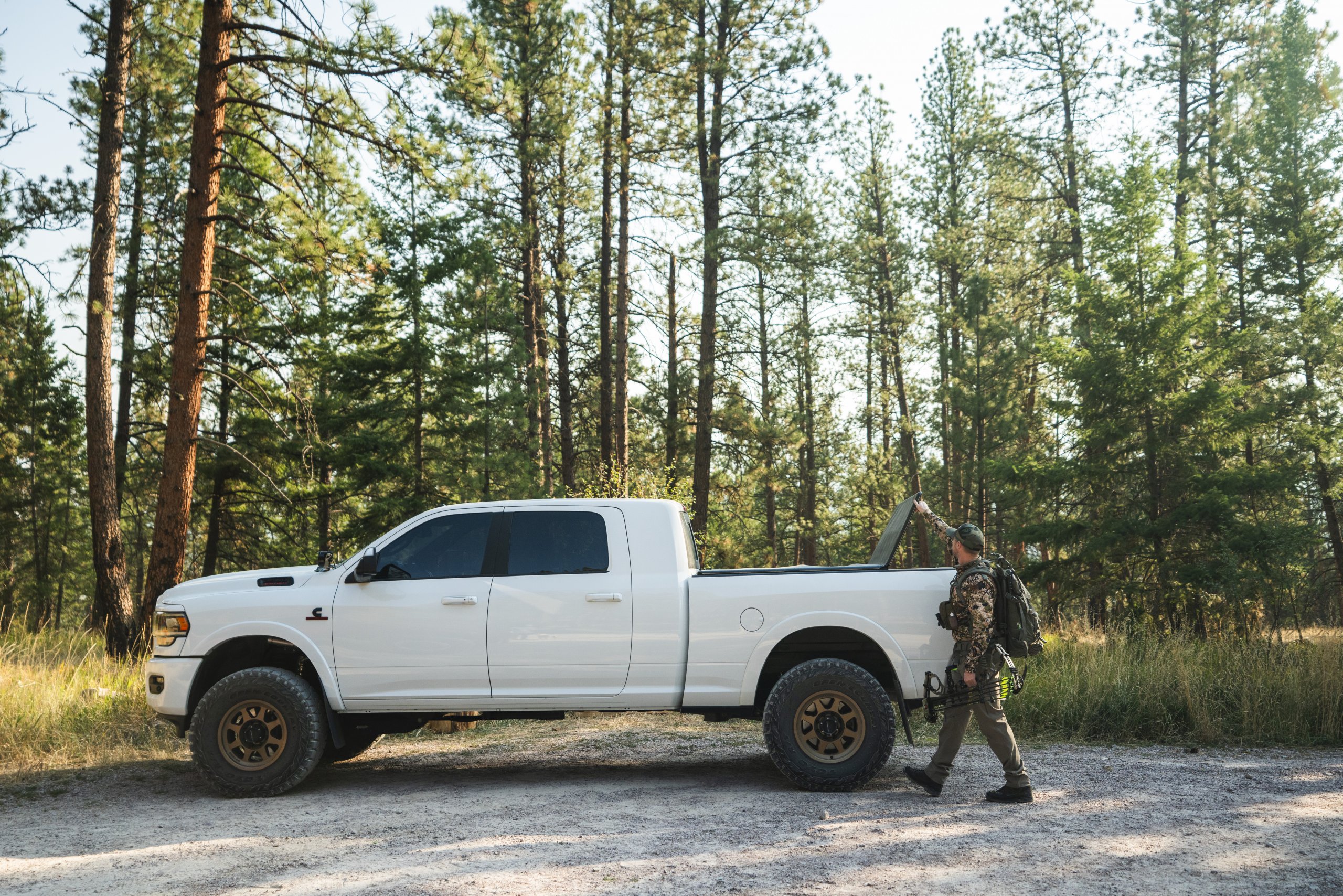
For multiple vehicles, a portable safe in welded steel cable-tethers and moves with you, and a mechanical combination means no keys to hand out. Trucks can add an under-seat lockbox or truck bed security for larger gear.
Fitment comes before specs. Tuffy makes vehicle-specific safes for a wide range of trucks, SUVs, and Jeeps across many model years and console configurations. Popular examples run from Ford console safes to Jeep console safes. Search your year, make, and model to confirm your exact fit and the lock options available for it.
Once you know the lock type that fits how you drive, the next step is simple: choose the Tuffy safe engineered for your vehicle. Explore the full range of console safes and confirm your fit by year, make, and model. Lock it, leave it, done.
Frequently Asked Questions About Vehicle Safe Lock Types
Common questions about choosing a keyed, combination, or keyless lock for an in-car safe.
Which Lock Type Is Best for Extreme Heat or Cold in a Vehicle?
A mechanical lock, keyed or combination, is best for a vehicle. It has no battery to drain and no electronics to slow down when a parked truck bakes in summer heat or freezes overnight. Tuffy uses mechanical, battery-free locks on every box and safe for exactly this reason.
Can You Change or Reset the Combination on a Vehicle Safe?
Yes. Tuffy’s mechanical combination locks let you set and reset the code yourself, with no key and no tools sent back to the factory. The 3-digit combination camlock, for example, offers 1,000 combinations and unlimited resets, so you can update access whenever a driver or need changes.
What Do You Do if You Lose the Key to Your Vehicle Safe?
Tuffy’s Keys and Replacement Parts line supplies replacement keys and lock cylinders for its keyed safes, backed by the Built-for-Life warranty. Because the key is an exclusive 10-tumbler, double-bitted design, replacements are ordered through Tuffy rather than cut at a hardware store.
Is a Keyless Combination Safe Secure Enough for a Firearm in a Vehicle?
Yes. A Tuffy mechanical combination safe uses the same welded cold-rolled steel and patented Pry-Guard system as its keyed safes, so security does not depend on the lock type. No safe stops every break-in, but concealment and delay from steel construction protect a firearm whether you choose keyed or combination. Store to local laws.
Do Vehicle Safes Need Batteries?
Tuffy vehicle safes do not need batteries. Both the keyed lock and the mechanical combination lock are fully mechanical, so there is nothing to power, replace, or fail in extreme temperatures. Electronic keypad and biometric locks in the wider market do rely on batteries, which is why Tuffy does not use them in vehicles.
Keyed vs. Combination: Which Lock Should You Choose?
Choose a keyed lock if one primary driver wants simple, reliable access with a physical key. Choose a mechanical combination if a family, several drivers, or a fleet share the safe and want keyless entry with a code you can reset. Both use Tuffy’s welded steel and Pry-Guard system.